This blog is for psychologists, teachers, speech and language therapists, related professionals, parents, technologists, and others interested in using technology more effectively to support engaged learning, cognitive development, communication, social-emotional skills development, health & wellness, transition-to-adulthood planning, and assessment linked to prevention and intervention. Enter a term or phrase in the search box to find what interests you!
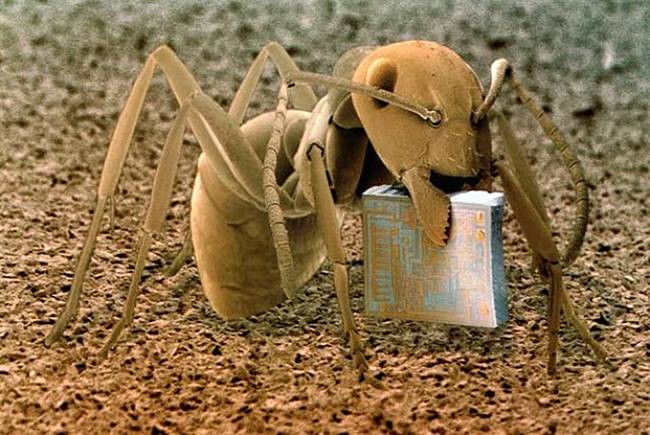
Surface of an Erasable Programmable Read-Only Memory silicon microchip
Eyelash hairs growing from the surface of human skin
The surface of a strawberry
Bacteria on the surface of a human tongue
Human sperm (spermatozoa)
Nylon hooks and loops of Velcro
Household dust: includes long hairs of cat fur, twisted synthetic and woolen fibers, serrated insect scales, a pollen grain, and plant and insect remains
The weave of nylon stocking fibers
The head of a mosquito
Head louse clinging to a human hair
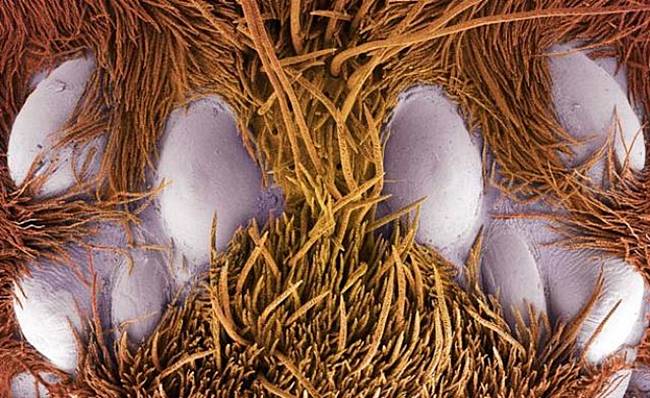
Eight eyes (two groups of four) on the head of a tarantula
Cut human hairs and shaving foam between two razor blades
Simon Lewis was in an automobile accident that resulted severe injuries to his body, including a very severe head injury that left him in a coma. As a result of his experience, he wrote a book, "RISE AND SHINE", covering his journey over 15 years of recovery and regeneration. In the book, Lewis shares what he learned along the way, and how cutting edge technology and some non-traditional thinking helped him move forward.
Simon Lewis had the opportunity to discuss his journey at a TED partner event in India in December, 2010. The following video of his talk is about 22 minutes long, but worth taking the time to watch. A variety of visuals are used to illustrate his journey and the research he did along the way. Near the end of the video, Simon Lewis demonstrates some of the technologies that he wears that supports his functioning.
Here is the blurb about the book from the Borders website: "An impassioned tale of survival and recovery, this inspirational story recounts the author’s horrific car accident, his subsequent coma, and the more than 15 years of cutting-edge treatments and therapies endured during convalescence. With specific details of the rigorous rehabilitation process that ensued, including numerous breakthrough and experimental surgeries, the book also provides practical insight into navigating the treacherous world of insurance and how to differentiate between the often conflicting medical opinions offered. In addition to describing the numerous procedures undergone, the author tells not only of his pain, frustration, and despair, but also of his childlike wonder at the beauty and miracle of creation. A first-person account of sudden, unexpected tragedy and life-affirming courage, this remarkable tale of regeneration imparts lessons both medical and spiritual."
The Rise and Shine website includes many of the graphics used in Simon's video, and is worth taking some time to explore. Some of the graphics are interactive. (Since the website relies on Flash, it won't work if you try to access it using an iPad.)
Comment: As a school psychologist with additional training in neuropsychology - specifically assessment and intervention for children and teens who have experienced traumatic brain injury (TBI), this topic is important to me. I'm watching the video a second time, and I plan to read his book.
The Funky Forest was created by Emily Gobeille and Theodore Watson for the 2007 CineKid festival in the Netherlands, using OpenFrameworks, an open-source application used for multimedia and multi-touch applications. Take a look at the video and pictures of the children interacting with this technology!
"It “is a wild and crazy ecosystem where you manage the resources to influence the environment around you. Streams of water flowing on the floor can be diverted to make the different parts of the forest grow. If a tree does not receive enough water it withers away but by pressing your body into the forest you create new trees based on your shape and character. As you explore and play you discover that your environment is inhabited by sonic life forms who depend on a thriving ecosystem to survive.”
The trees and creatures in the installation look really beautiful; just abstract enough to make it look like a strange magical forest, but the processes of our real ecosystems are still recognisable. A really wonderful project. And it sure looks like a lot of fun!" -Tanja, from the TakeBigBites blog
Wouldn't this be a great space for the children's section of the local library, or the media center in an elementary school? This is a cross post from the Interactive Multimedia Technology blog.
A recent article in Newsweek outlines the success of interactive whiteboards in classroom. Teachers and school administrators have noted that the whiteboards increase engagement.
Apparently, one study in the UK found that the use of interactive whiteboards in math classes resulted in a significant growth in math skills among students.
From the Newsweek article:
"So far, the data on the efficacy of touchscreens in U.S. classrooms is inconclusive, but promising. Multiple recent studies suggest that the devices boost attendance rates and classroom participation. Ever since Dorchester School District 2 in Summerville, S.C., installed 1,200 interactive boards in its classrooms, disciplinary incidents are way down. "Students were bored" before the touchscreens arrived, says Superintendent Joe Pye. "Trips to the principal's office are almost nonexistent now.""
In August 2007, the Phoenix Mars Mission was launched, led by Peter Smith, a scientist at the University of Arizona's Lunar and Planetory Laboratory. With the effort of a large team of people, on Mary 25th, the mission was successfully landed in the north polar region of Mars, with the purpose of studying the potential for habiting Mars and also to gain an understanding of the history of water on the planet.
The gallery of the Phoenix Mars Mission is where you can view and download the latest images from Mars. The Phoenix Mars Mission website contains a wealth of resources that would appeal to anyone curious about Mars and the current mission. It will especially appeal to people who are visual learners.
If you are an educator with access to an interactive whiteboard and can integrate a visit to Mars into your lesson plans during the last days of the school year, a trip to the Phoenix Mars Mission website is a must! The website is well designed and user-friendly.
One of my favorite sites is eSchool News Online. The Site of the Week is the Microscope Imaging Station, from the Exploratorium science museum's website. This is a site that I'd recommend viewing on a large-screen display or interactive whiteboard.
According to the Exploratorium website, the "Microcope Imaging Station produces high-resolution images and movies using research-grade microscopes. This gallery contains a range of images and movies that illustrate the diversity of what can be seen with light microscopes"
The link to eSchool News has links to past sites of the week.